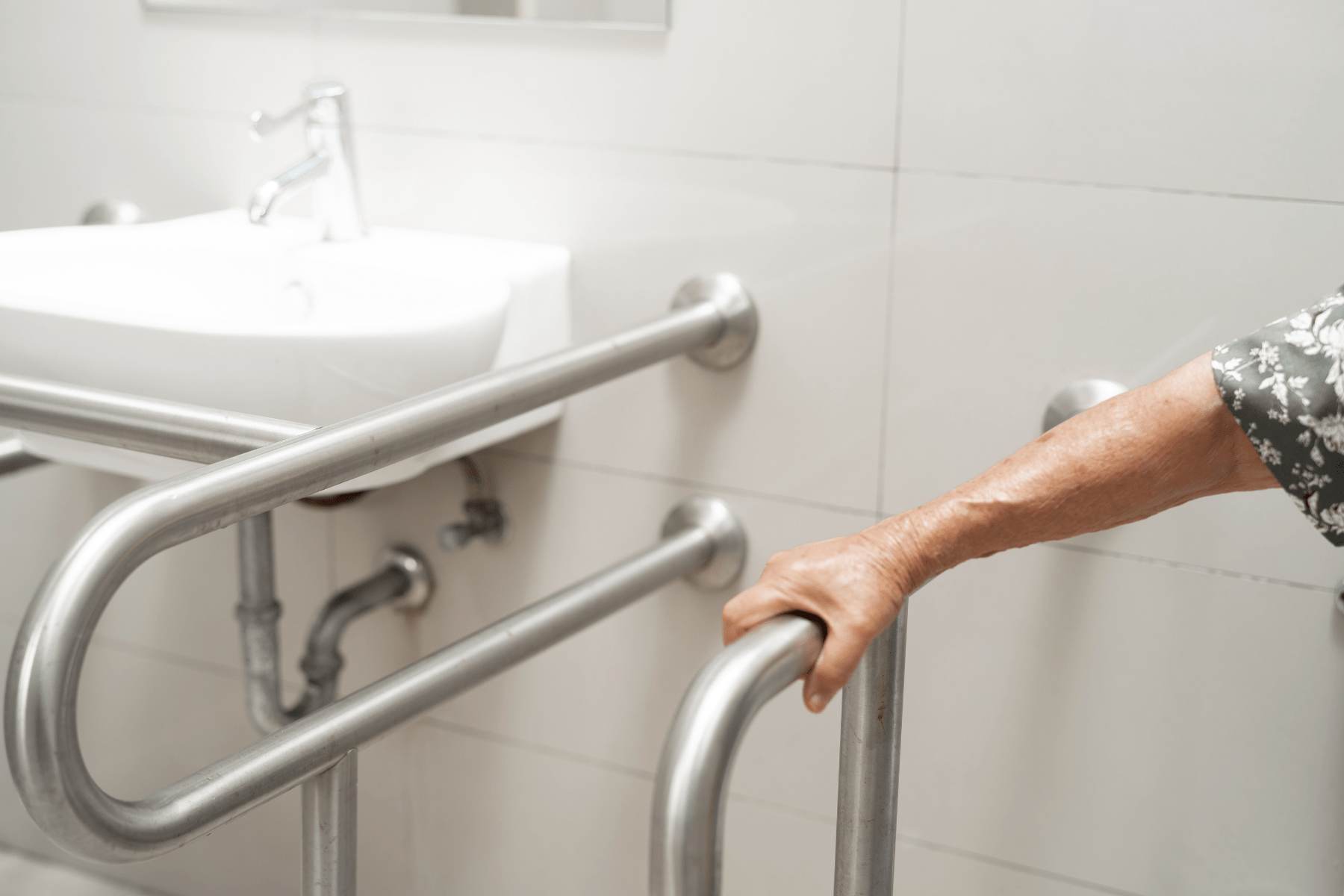
For many older adults, home is more than just a place to live—it’s where routines feel familiar, memories are rooted, and independence continues. As the years go by, though, a home that once worked perfectly can start to present new challenges. A steep step at the front door, a slippery tub, or a roof that needs attention can turn everyday tasks into safety concerns.
If you’re a family caregiver, you may already be noticing these changes. You might also be wondering how to help make your loved one’s home safer without taking on a major financial burden.
Luckily, across California and the U.S., a variety of home repair grants for seniors can help cover the cost of important repairs and accessibility upgrades. Many of these programs offer free grants for senior home repairs, meaning the funds don’t need to be repaid.
Home Repair Grants for Seniors
When home needs start to add up, many families assume they’ll need to cover the costs themselves. But there are actually several programs designed specifically to help older homeowners maintain safe living environments.
While each program has its own eligibility rules, they all share a similar goal: helping older adults remain safely in their homes. Here are some of the most common places caregivers can look for help:
USDA Single Family Housing Repair Grants (Section 504)
The USDA Section 504 Home Repair Program, offered by the United States Department of Agriculture Rural Development, helps very-low-income homeowners make critical home repairs and remove health and safety hazards.
What the grant can cover:
- Roof repairs or replacement
- Heating or electrical fixes
- Accessibility improvements like ramps or safety modifications
Funding amount:
- Up to $10,000 for eligible homeowners age 62+
- Up to $15,000 in federally declared disaster areas
Weatherization Assistance Program (WAP)
The Weatherization Assistance Program helps low-income households improve energy efficiency and reduce utility costs through home upgrades. The focus is on making homes more energy-efficient and comfortable.
This can look like:
- Adding or improving insulation
- Sealing air leaks and drafts
- Upgrading heating or cooling systems
- Improving overall energy efficiency
Local agencies usually conduct an energy assessment and coordinate the upgrades.
HUD-Funded Home Modification Programs
Some communities offer home repair or accessibility grants funded through the U.S. Department of Housing and Urban Development (HUD). While the specific programs vary by city or county, they often support modifications that make homes safer for older adults.
Examples of covered improvements:
- Wheelchair ramps
- Bathroom accessibility upgrades
- Grab bars and handrails
- Doorway widening or other mobility modifications
Because HUD distributes funding to local governments, caregivers typically apply through city housing departments or community development offices.
CalHome Program
The CalHome Program, through the California Department of Housing and Community Development, helps fund home rehabilitation projects for low- and very low-income homeowners.
Instead of providing grants directly to individuals, the program funds local public agencies and nonprofit organizations, which then offer assistance to homeowners.
Support may include:
- Grants or deferred-payment loans
- Funding for major home repairs
- Accessibility improvements that support aging in place
Programs funded through CalHome vary by community, so availability will depend on local housing partners.
Nonprofit Repair Programs
Nonprofit organizations can be a great source of help for families seeking free grants for seniors home repairs.
Two well-known programs include:
- Rebuilding Together, which provides free home repairs and accessibility upgrades for older adults and people with disabilities
- Habitat for Humanity, which offers repair programs that improve home safety and stability
Some communities also have volunteer repair initiatives through local foundations, faith groups, or neighborhood organizations. These programs often focus on smaller projects—but even small repairs can significantly improve safety.
VA Specially Adapted Housing (SAH) Grant & VA Special Home Adaptation (SHA) Grant
If your loved one served in the military, several home adaptation grants may be available through the U.S. Department of Veterans Affairs.
These programs are designed to help veterans with service-related disabilities modify their homes for greater accessibility and independence.
VA Specially Adapted Housing (SAH) Grant
- Helps veterans build, remodel, or purchase a home adapted to their disability needs
- Funding available up to $117,014
VA Special Home Adaptation (SHA) Grant
- Helps veterans modify or purchase a home that better meets their needs
- Grants available up to $23,444
VA Temporary Residence Adaptation (TRA) Grant
Unlike the other two grants mentioned above, the Temporary Residence Adaptation (TRA) Grant supports veterans who are temporarily living in a family member’s home—not their own—that does not accommodate their disability needs.
Funding amount:
- Between $8,415 and $47,130
Important details:
- Helps pay for temporary home modifications
- Homeownership is not required
Who qualifies for home repair grants?
While every program has its own application process, most home repair grants for seniors follow a similar set of eligibility guidelines. Understanding these basics can help caregivers quickly determine whether a loved one may qualify.
- Age: Most programs are designed for older adults and typically require applicants to be age 60 or 62 and older.
- Income: These grants are generally aimed at households with limited financial resources. Eligibility is usually based on “very low” or low-income levels, which are determined using the local Area Median Income (AMI) for your community.
- Homeownership: Applicants usually must own the home and live in the home as their primary residence. Rental properties or second homes typically do not qualify.
How to Find Local Assistance
Many home repair grants for seniors are offered through local agencies or community organizations, so the best place to start is often close to home. If you’re helping a loved one explore options, these steps can point you in the right direction.
- 211: Dialing 211 or visiting 211.org connects you to a free, nationwide service that helps people find local community resources. Specialists can often direct you to home repair programs, housing assistance, or nonprofit services available in your area.
- Contact your Area Agency on Aging (AAA): Local offices in the California Department of Aging network can help caregivers locate senior housing programs, repair grants, and aging-in-place services in their community.
- Visit local government websites: City or county websites often list housing programs through community development or housing departments. Searching for “home repair assistance” along with your county name can help uncover programs that may not be widely advertised.
The Bottom Line
Even small home repairs can make a meaningful difference in the life of your aging loved one. A safer bathroom, a sturdier stair rail, or better lighting can help support independence and reduce everyday risks at home.
The important thing to remember is that finances don’t have to stand in the way of these improvements. With the right information and support, many families can access funds to cover essential upgrades and safety modifications.
These programs exist to help older adults remain comfortably in the homes they love—while giving caregivers greater confidence and peace of mind along the way.
Share this post: