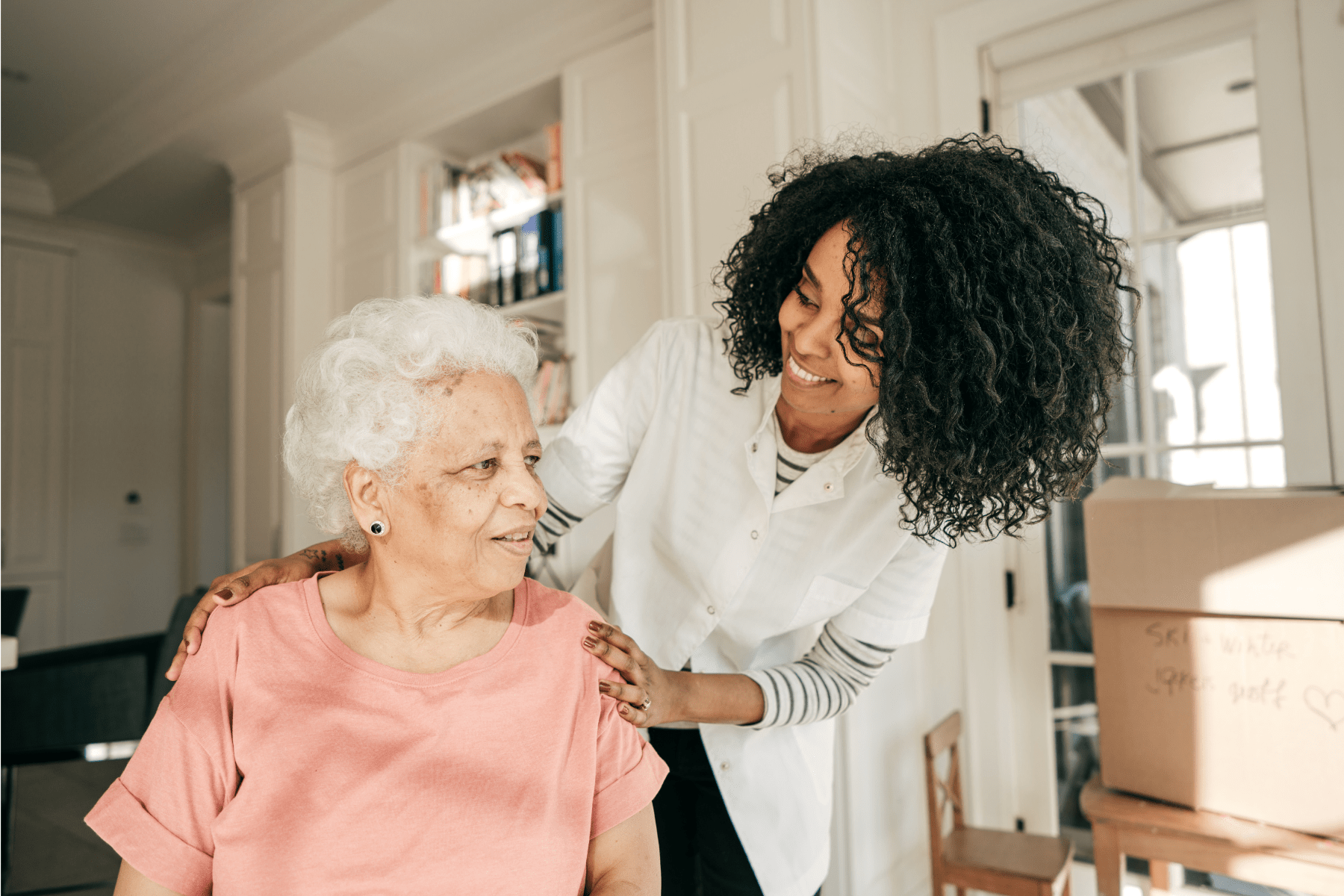
October 29 is World Stroke Day, a global reminder that stroke is one of the leading causes of long-term disability worldwide, and that the people who show up to care for survivors deserve knowledge, support, and community. Whether you’re in the first days after a loved one’s stroke or months into the caregiving journey, this guide is for you.Recognizing a Stroke: BE FAST
Before we talk about what comes after, it’s worth knowing the warning signs — because acting quickly is the single most important thing anyone can do when a stroke is happening.
Use the BE FAST acronym:
- B — Balance: sudden loss of balance or coordination
- E — Eyes: sudden vision trouble in one or both eyes
- F — Face: one side of the face drooping
- A — Arms: one arm drifting downward when both are raised
- S — Speech: slurred speech, or difficulty speaking or understanding
- T — Time: call 911 immediately — every minute matters
Stroke is a medical emergency. The faster treatment begins, the more brain can be saved. If you’ve been told your loved one had a “mini-stroke” (TIA or transient ischemic attack), take it seriously — it’s often a warning sign that a larger stroke may follow.
What to Expect: Post-Stroke Symptoms and Care
No two strokes are alike. The effects depend on which area of the brain was affected, the severity of the stroke, and your loved one’s overall health before it happened. Recovery typically unfolds in three phases:
- Initial treatment — stabilizing the person and minimizing brain damage, usually in the hospital
- Rehabilitation — rebuilding lost skills through physical, occupational, and speech therapy
- Ongoing prevention — reducing the risk of a second stroke, which is significantly higher after the first
Post-stroke effects can be wide-ranging:
Physical: weakness or paralysis on one side of the body, fatigue, swallowing difficulties, pain, temperature or light sensitivity, vision problems, shoulder pain, seizures, and muscle tightness
Cognitive and emotional: memory loss, difficulty concentrating, depression, anxiety, unexpected emotional reactions (sudden crying or laughing), and in some cases, dementia
Recovery has no fixed timeline. Research shows the most rapid improvement typically happens in the first year — but gains can continue for years with consistent rehabilitation and support.
First Steps for Caregivers
Before You Leave the Hospital
Step 1: Get educated. Ask the care team as many questions as you need. Key things to understand: What type of stroke occurred? Which part of the brain was affected? What are the expected long-term effects? What does rehabilitation look like, and what should we realistically expect?
Step 2: Evaluate the home. Before discharge, work with the hospital social worker or occupational therapist to assess what needs to change at home — grab bars, removing trip hazards, adjusting furniture for mobility aids, and considering whether the bedroom needs to move to the ground floor.
Step 3: Reconcile medications. Make sure you have a complete, up-to-date list of all medications — prescriptions and over-the-counter supplements — with dosages. Stroke survivors are often discharged with new medications, and managing them correctly is critical to preventing another stroke.
Once You Get Home
Step 4: Document recovery. Keep a log of changes, symptoms, and milestones to share at follow-up appointments. Recovery can be subtle and gradual, and a written record helps the care team make informed adjustments.
Step 5: Focus on prevention. Up to 1 in 4 stroke survivors will have another stroke. Work with the medical team on a prevention plan: blood pressure management, healthy diet, regular movement, no smoking, and medication adherence.
Step 6: Build your support network. Caregiving after a stroke is not a one-person job. Enlist family and friends to help with appointments, medication pickups, meals, and errands. If relatives aren’t nearby, community organizations and local caregiver support groups can fill that gap — for both you and your loved one.
Step 7: Prepare for emergencies. Because stroke survivors face elevated risk of a recurrence, keep a ready emergency kit with:
- Contact lists for all physicians, family members, and emergency contacts
- A complete medication list with dosages (including supplements)
- Insurance cards and advance directive documents
Post-Stroke Rehabilitation: What’s Available
Rehabilitation is the bridge between hospital discharge and the best possible quality of life. Depending on the survivor’s needs, a rehab plan may include:
- Physical therapy — rebuilding strength, balance, and mobility
- Occupational therapy — relearning daily tasks (dressing, cooking, bathing)
- Speech and language therapy — addressing aphasia, swallowing difficulties, or communication challenges
- Hearing therapy — if auditory processing was affected
- Nutrition support — especially important if swallowing is compromised
- Mental health counseling — depression affects up to a third of stroke survivors; support for caregivers matters too
- Nursing care — for wound care, medication management, and monitoring
Talk to the hospital’s discharge planner or social worker early about which services your loved one qualifies for and what your insurance will cover.
Take Care of Yourself, Too
Caregiving after a stroke can be all-consuming — physically, emotionally, and logistically. Caregiver burnout is real, and it affects your ability to provide good care.
Some things that help:
- Keep something for yourself. Even small rituals — a morning walk, a hobby, time with a friend — matter.
- Use respite care. A trained respite provider can step in so you can step away. California’s Caregiver Resource Centers offer respite assistance; find your local CRC to ask about availability.
- Connect with others who understand. Support groups for stroke caregivers exist both locally and online. You don’t have to process this alone.
- Ask for help before you’re depleted. The earlier you build your support system, the more sustainable your caregiving will be.
Frequently Asked Questions
How long does stroke recovery take? There’s no single answer. Most recovery happens in the first year, and the first few months often bring the fastest gains. But improvement can continue for years, especially with ongoing therapy and a supportive environment. Recovery depends on the stroke’s severity, which brain areas were affected, and how quickly rehabilitation begins.
What’s the difference between a stroke and a TIA? A TIA (transient ischemic attack) is sometimes called a “mini-stroke.” The symptoms are the same as a stroke but resolve within minutes to hours because the blood flow blockage is temporary. A TIA is a serious warning sign — people who have one are at significantly higher risk of having a full stroke in the days or weeks that follow. Medical evaluation is urgent.
Will my loved one fully recover? Recovery varies enormously. Some survivors return to near-full function; others live with lasting disability. The brain has a remarkable capacity for adaptation (called neuroplasticity), and rehabilitation helps the brain build new pathways around the damaged area. Managing expectations while remaining hopeful is one of the hardest and most important things caregivers can do.
What support is available for stroke caregivers in California? California’s 11 Caregiver Resource Centers provide free consultations, care planning, support groups, respite assistance, and connections to local services — specifically for family caregivers of adults with neurological conditions including stroke. Services are available in multiple languages. Find your local CRC here.
How do I prevent a second stroke? Work closely with the medical team on a prevention plan. The most important factors are: controlling blood pressure, managing cholesterol, taking prescribed medications consistently, avoiding smoking, eating a heart-healthy diet, and staying as physically active as possible. Your loved one’s physician can outline the specific risks and prevention strategies based on what caused the initial stroke.
You Don’t Have to Navigate This Alone
A stroke changes everything — for your loved one and for you. The weeks and months after can feel overwhelming, but support is available.
California’s Caregiver Resource Centers are here for family caregivers at every stage of the journey — from the first days after a stroke to years into long-term care. Services are free, confidential, and available across the state.
Find your local Caregiver Resource Center today.
Share this post: